


Spiritual maturity might be defined as shaking one’s fist at God.
I need to be careful because I don’t want anyone to doubt that God is love and God is good. But at the heart of the Christian faith is an impossible contradiction: How can a good God allow evil? The word we use for this is “theodicy.”
The Bible never resolves the issue. And theologians have found it philosophically intractable. Some people forget that it’s not a uniquely Christian problem. I mean: Can anyone, theist or atheist, really explain how evil came to be? But the question is particularly concentrated for the Christian because we claim that God is indeed love and God is indeed good.
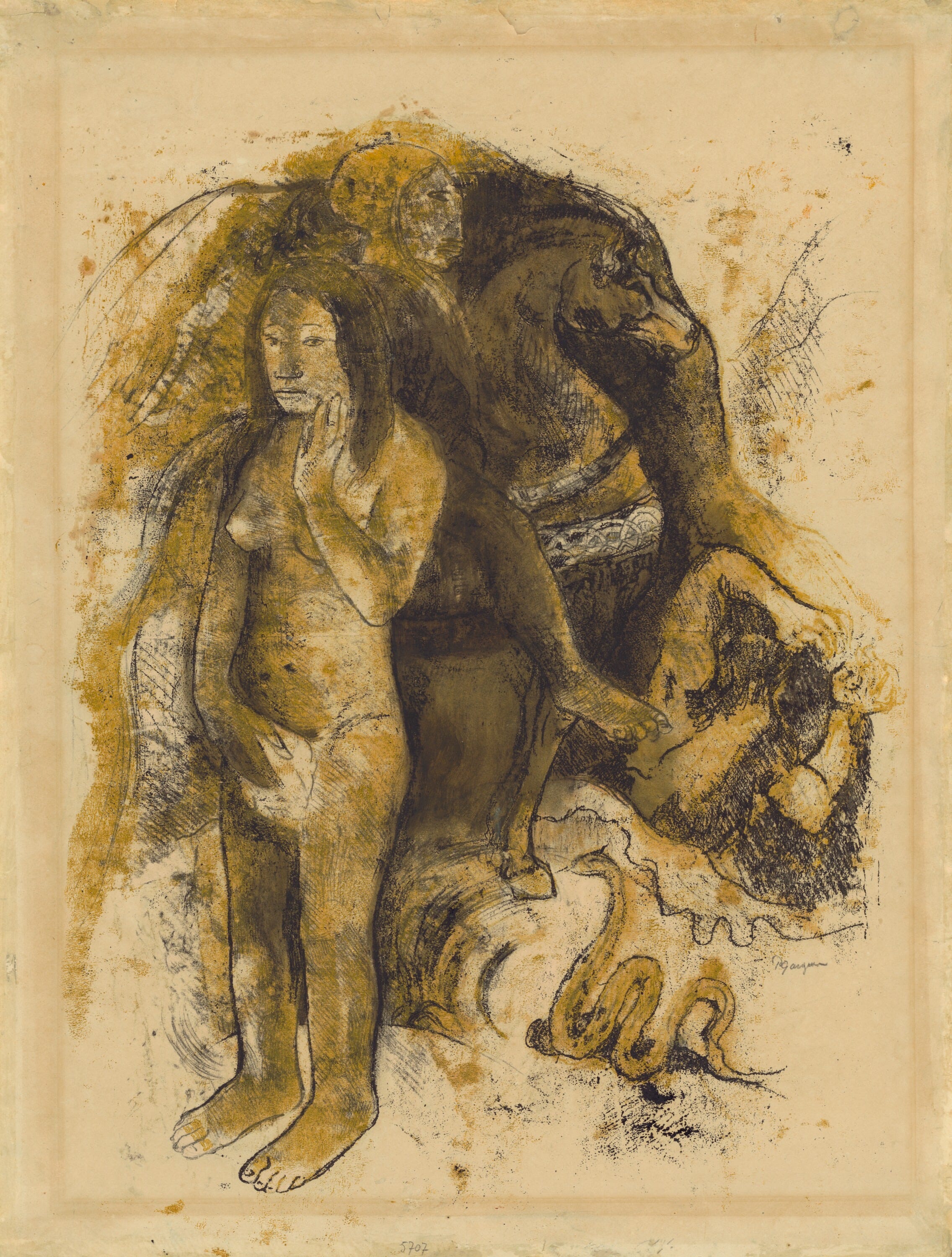
The Bible doesn’t shy away from the problem of evil even as it doesn’t resolve it.
The way the Scriptures deal with it is by facing God head on, raising a fist to his face, and saying, “Why?”
Does justice work this way?
You knew what would happen
and made us just the same
Then you, my Lord, can take the blame.
This quote is from a formerly Christian musician named David Bazan in his song, “When We Fell.” I quote him not to endorse blaming God for the Fall, but to wonder out loud if he realized that, though he’d lost his faith, he was still praying—and praying like a Psalmist.
In Psalm 102:10 the Psalmist accuses God of have having indignation and anger, and of picking him up and throwing him down. There’s apparently no sin that makes the Psalmist deserve this. Just bad fortune, the mockery of enemies, and the ill fortune of our collective wretched existence. But, by the Psalmist’s estimation, God is doing all of it because he’s not preventing it.
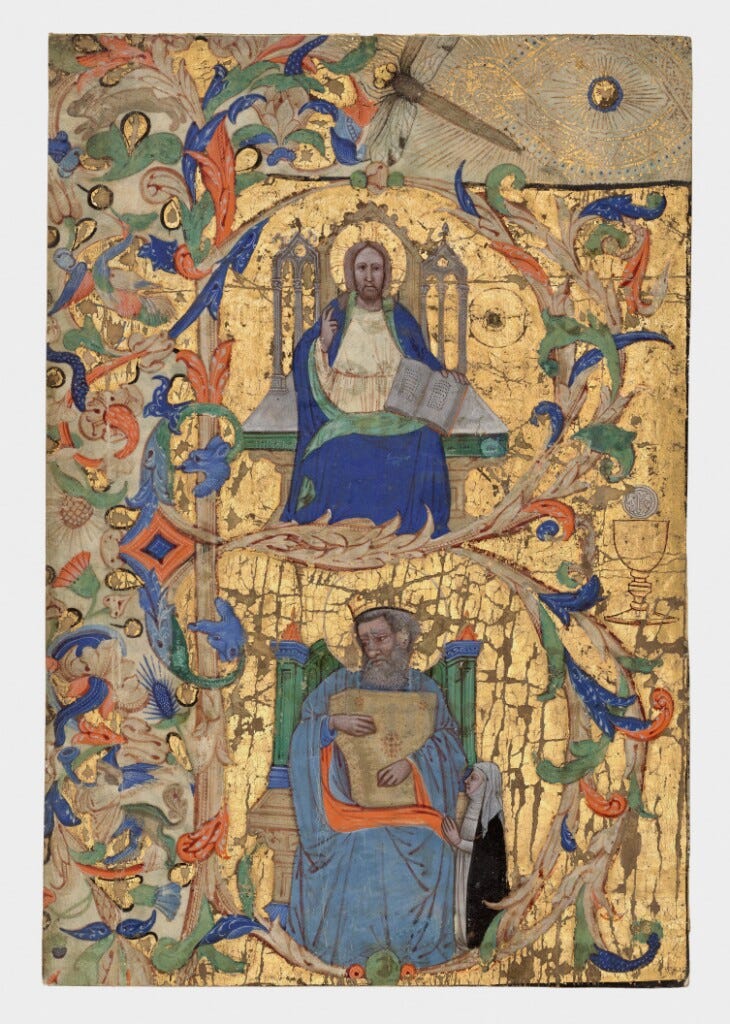
So the Psalmist raises his fist.
We don’t normally pray this way, but maybe we should.
Don’t let God off the hook.
The Bible doesn’t.
And God doesn’t let himself off the hook.
Christ on the cross is God raising a fist to God saying, “Why?”
His response is proof that he is love and he is good.
Thank you!