


Not very long ago I was reprimanded by colleague for uttering the phrase “illegal immigrant.” He snapped at me, “no human is illegal.” I took his point, and still do. How we talk about things generally, and how we talk about humans in particular, really matters. Dehumanizing language often goes hand in hand with treating human beings as less than human. And if you begin counting some humans as lesser beings—that’s how one rationalizes everything from hating one’s next door neighbor to slavery and genocide.
But I’m also really concerned that policing how we talk about things supplants a deeper radicalism about how we’re supposed to treat those who live in the United States without documentation. That, and quibbles about terminology often elicit disdain from those who have genuine and earnest concerns about immigration policies in the United States.
There’s been a lot of ink spilled about immigration and Christianity since well before Donald Trump came onto the political scene. So I’m not going to write anything lengthy here. I don’t want to offer an argument per se. Rather, I want to present some grounding biblical affirmations that can help ordinary Christians think christianly.
Below are six theses, each of which I unpack in a few sentences. I’ve said all of this stuff from the pulpit over and over, so some of you may already be familiar with these biblical commitments. My hope is that this will show how I think there’s a lot more at stake for the church than American jurisprudence and rightwing (or leftwing) politics. And definitely a lot more at stake than being politically correct.
The earth is the Lord’s and the fullness thereof (Ps 24:1). Every time we utter this Spirit-inspired phrase from King David we’re doing what the liberals call a “land acknowledgement.” The earth has been divided up and fought for by worldly powers. But it all actually belongs to God.
We’re all illegal on the Lord’s earth. Death is proof that we’re all (at best) temporary residents. Citizenship can only come through resurrection.
We’re all illegal in the Kingdom of God. We got kicked out of the garden of Eden. Legally, we’re not allowed back in. But Jesus lets us in anyway, and he can because the New Heavens and the New Earth are the Lord’s and the fullness thereof.
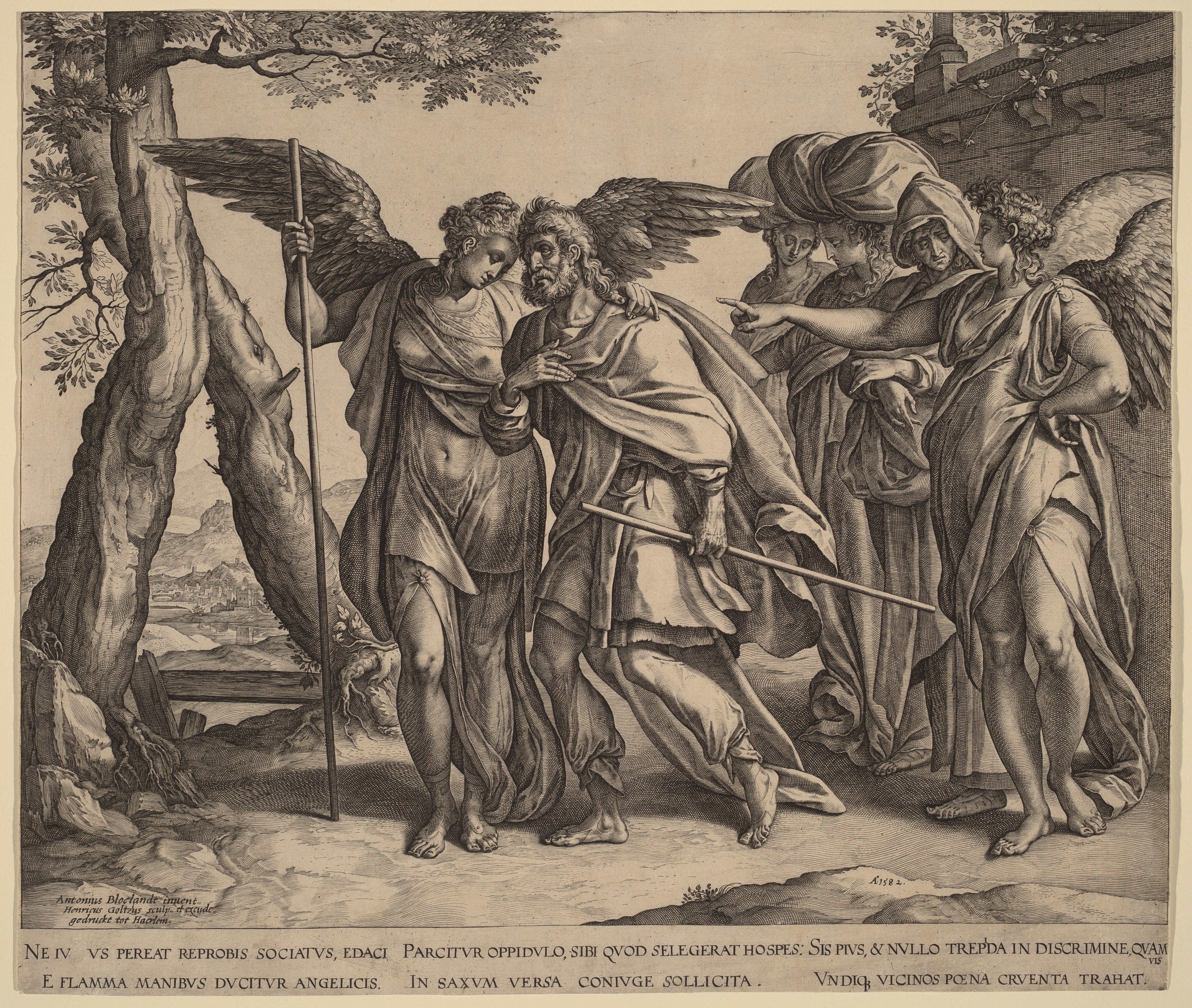
Illegal immigrants might be angels. Hebrews 13:2 warns Christians not to neglect showing hospitality to strangers because they might be angels. Kind of like when they showed up at Sodom in Genesis 19. And we all know what happened there (if you don’t, go read it with fear and trembling).
All angels are illegal immigrants. This is an elaboration of the previous point, but is worth stating on its own. Angels are God’s heavenly messengers who have no regard for the bureaucracies of human governments. So if you meet one, you can be sure they don’t have the government’s permission to be here.
The church is God’s kingdom embassy. Which is to say that everyone is illegal in the church—regardless of national origin or location of the particular congregation—because of sin and death. And everyone is legal because they’re there by the death and resurrection of Jesus and participation in his body and blood. An angel stands at the entrance of every church, letting in the illegals to make them legal, and letting in the legals to make them illegal.
None of this solves the intractable problems of immigration in the United States. But it does begin to give all of us Christians the kingdom imagination we need to love our neighbors as ourselves.
But most importantly, the process of Christian discipleship might be summed up as seeing the world differently. We are all blind Bartimaeus crying out to our king to open our eyes to his reality. We’re all Paul waiting for the scales to fall. We’re all John of Patmos seeing horses and bowls and beasts that no one else can. Reality is not what our government or political philosophies tell us it is.
We can unlearn reality as it’s been presented to us, and see the world and all of its residents as God does: his.